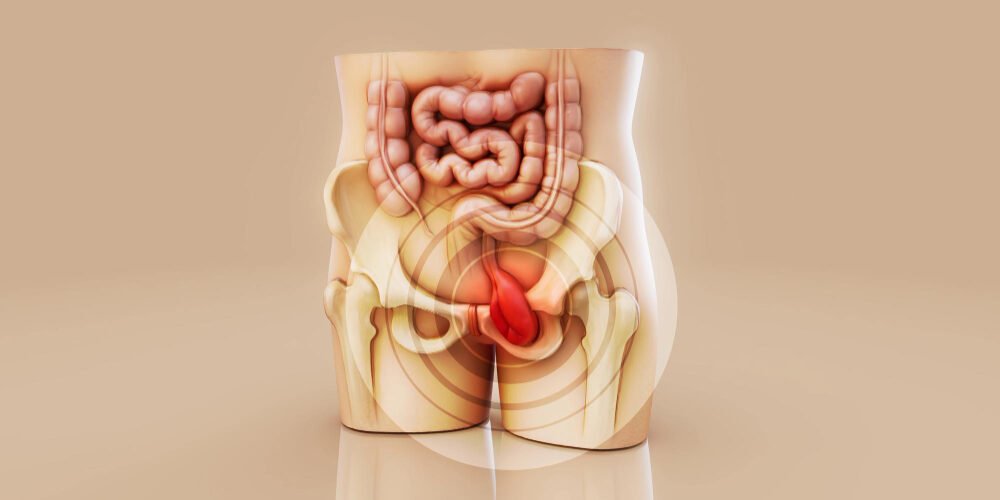
Hernia repair is one of the most commonly performed surgical procedures worldwide. The success of the repair largely depends on the quality, strength, and biocompatibility of the implanted mesh. Among various materials available, polypropylene hernia mesh remains the gold standard for open and laparoscopic hernia repair due to its proven long-term clinical performance.
This article explores the key features, benefits, and clinical advantages of polypropylene hernia mesh, with a focus on biocompatibility, tensile strength, infection resistance, and durability.
What is Polypropylene Hernia Mesh?
Polypropylene hernia mesh is a synthetic, non-absorbable surgical implant made from polypropylene polymer. It is designed to reinforce weakened or damaged tissue in hernia repair procedures.
The mesh acts as a scaffold that supports tissue in-growth, allowing the body to integrate the implant while providing long-term structural reinforcement.
It is widely used in:
-
Inguinal hernia repair
-
Ventral hernia repair
-
Umbilical hernia repair
-
Incisional hernia repair
1. Superior Biocompatibility
One of the primary reasons polypropylene is preferred is its excellent biocompatibility.
Why It Matters
Biocompatibility determines how well a material interacts with human tissue without causing excessive inflammatory reactions or rejection.
Clinical Advantages
-
Minimal foreign body reaction
-
Controlled tissue integration
-
Reduced risk of chronic inflammation
-
Stable long-term tissue response
The porous structure of polypropylene mesh encourages fibroblast proliferation and collagen deposition, resulting in strong tissue incorporation.
2. High Tensile Strength
Tensile strength is critical in hernia repair because the mesh must withstand intra-abdominal pressure over time.
Key Benefits
-
Provides durable abdominal wall reinforcement
-
Prevents recurrence due to mechanical failure
-
Maintains structural integrity under stress
Polypropylene mesh offers excellent mechanical strength while remaining flexible enough to conform to anatomical contours.
3. Infection Resistance
Although no implant is completely immune to infection, polypropylene mesh demonstrates relatively strong resistance when manufactured under strict sterile conditions.
Infection Control Advantages
-
Monofilament structure reduces bacterial colonization compared to multifilament materials
-
Large pore size allows immune cells to reach bacteria
-
Lower biofilm formation risk when properly implanted
Proper surgical technique and sterilization standards further reduce postoperative infection rates.
4. Long-Term Performance & Durability
Polypropylene is a non-absorbable material, meaning it remains in the body permanently unless surgically removed.
Long-Term Clinical Benefits
-
Sustained mechanical support
-
Low recurrence rates
-
Proven decades of clinical use
-
Stable structural integrity over time
Because hernia recurrence often results from inadequate reinforcement, the permanent nature of polypropylene provides a reliable long-term solution.
Lightweight vs Heavyweight Polypropylene Mesh
Modern surgical advancements have introduced both lightweight and heavyweight polypropylene mesh options.
| Type | Characteristics | Clinical Considerations |
|---|---|---|
| Heavyweight Mesh | Higher density, stronger reinforcement | Suitable for large or complex hernias |
| Lightweight Mesh | Larger pores, reduced foreign body mass | Improved patient comfort, reduced stiffness |
The choice depends on patient profile, defect size, and surgeon preference.
Clinical Applications in Hernia Repair
Polypropylene mesh is commonly used in:
-
Open Lichtenstein repair
-
Laparoscopic TEP/TAPP procedures
-
Complex abdominal wall reconstruction
-
Recurrent hernia repair
Its adaptability and availability in various sizes and configurations make it suitable for both standard and complex cases.
Why Quality Manufacturing Matters
The performance of polypropylene mesh depends not only on material composition but also on:
-
Controlled pore size
-
Uniform thickness
-
Edge finishing
-
Sterilization validation
-
Packaging integrity
High-quality manufacturing ensures consistent strength, flexibility, and sterility — all essential for surgical safety and patient outcomes.
Conclusion
Polypropylene hernia mesh continues to be a preferred choice in modern hernia surgery due to its:
-
Excellent biocompatibility
-
High tensile strength
-
Resistance to infection
-
Proven long-term durability
When manufactured under strict quality control standards, polypropylene mesh delivers reliable clinical performance and reduces recurrence risk.
For healthcare providers and distributors seeking dependable hernia repair solutions, choosing a manufacturer with strong quality assurance systems is essential to ensuring surgical success and patient safety.