Nylon sutures are among the most commonly used non-absorbable sutures in modern surgical practice, especially for skin closure procedures. Known for their high tensile strength, minimal tissue reactivity, and smooth handling characteristics, nylon sutures provide reliable wound support and promote optimal healing outcomes. Their versatility makes them a preferred choice for surgeons across multiple specialties, including general surgery, plastic surgery, dermatology, and emergency care.
For hospitals, clinics, and healthcare providers, selecting the right suture material is critical to ensure patient safety, reduce complications, and support effective wound management. Nylon sutures have consistently proven their value in delivering secure wound closure with minimal risk of infection or tissue irritation.
What Are Nylon Sutures?
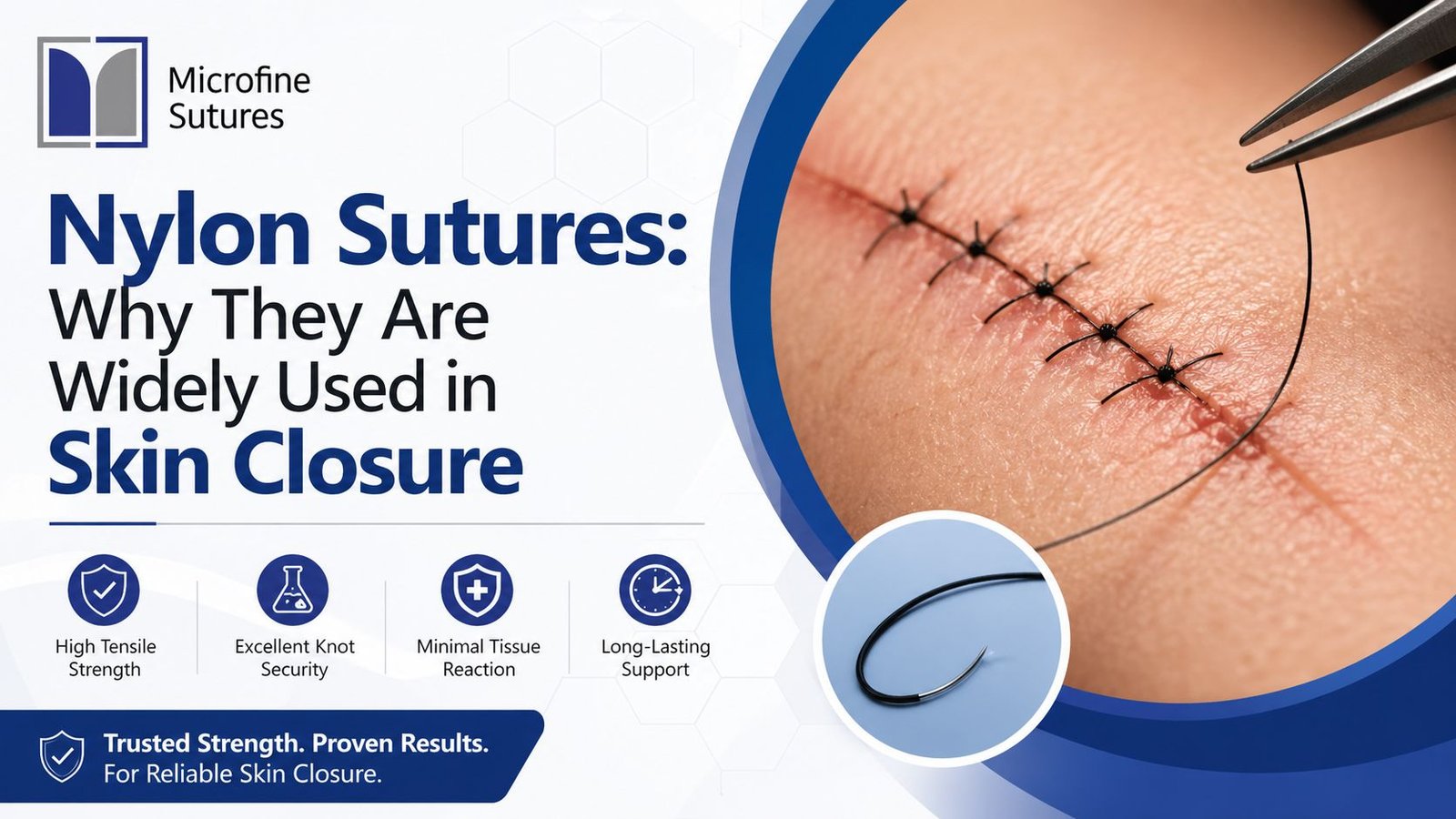
Nylon sutures are synthetic, non-absorbable surgical sutures made from polyamide polymers. They are available in both monofilament and multifilament forms, although monofilament nylon sutures are more widely used for skin closure due to their smooth surface and reduced bacterial adherence.
These sutures are designed to provide strong and reliable wound support during the healing process. Since they are non-absorbable, nylon sutures typically require removal after the wound has sufficiently healed, making them ideal for external skin closure applications.
Key characteristics of nylon sutures include:
- High tensile strength for secure wound support
- Minimal tissue reaction and excellent biocompatibility
- Smooth passage through tissue
- Low risk of infection
- Reliable knot security
- Cost-effective and widely available
These features make nylon sutures a dependable solution for routine and complex skin closure procedures.
Why Nylon Sutures Are Widely Used in Skin Closure
1) Excellent Tensile Strength and Durability
One of the primary reasons nylon sutures are widely used in skin closure is their superior tensile strength. This strength ensures that the wound edges remain securely approximated during the healing process, reducing the risk of wound dehiscence.
Nylon sutures maintain their strength over time, providing consistent support until the wound has healed sufficiently. This reliability is especially important in high-tension areas of the body, such as joints or surgical incision sites.
2) Minimal Tissue Reaction
Nylon is a biologically inert material, which means it causes very little inflammatory response in the surrounding tissue. This property is essential for skin closure, where minimizing tissue irritation helps promote faster healing and reduces the risk of scarring.
Surgeons prefer nylon sutures for cosmetic and dermatological procedures because they support clean wound healing with improved aesthetic outcomes.
3) Smooth Surface Reduces Infection Risk
Monofilament nylon sutures have a smooth surface that allows them to pass easily through tissue with minimal resistance. This smoothness reduces tissue trauma and lowers the risk of bacterial contamination.
Unlike braided sutures, which can harbor bacteria within their fibers, monofilament nylon sutures are less likely to support bacterial growth. This makes them particularly suitable for skin closure in both clean and contaminated wounds.
4) Easy Handling and Reliable Knot Security
Nylon sutures are known for their excellent handling properties. Surgeons can easily tie secure knots, ensuring stable wound closure throughout the healing period.
Although nylon sutures have some degree of memory, modern manufacturing techniques have improved their flexibility and knot security. This allows healthcare professionals to achieve precise wound closure with confidence.
5) Versatility Across Medical Specialties
Nylon sutures are widely used across a variety of surgical and clinical settings. Their adaptability makes them a standard choice for skin closure in both minor and major procedures.
Common applications include:
- General surgery
- Plastic and cosmetic surgery
- Dermatology procedures
- Emergency wound repair
- Orthopedic surgery
- Veterinary surgery
This versatility contributes to the widespread adoption of nylon sutures in healthcare facilities worldwide.
Advantages of Using Nylon Sutures for Skin Closure
Healthcare providers choose nylon sutures because they offer multiple clinical and operational benefits.
Major advantages include:
- Strong and reliable wound support
- Reduced risk of infection
- Minimal tissue inflammation
- Excellent cosmetic results
- Easy removal after healing
- Cost-effective solution for routine procedures
- Suitable for both simple and complex wounds
These benefits make nylon sutures a practical and efficient option for skin closure in hospitals, clinics, and surgical centers.
Conclusion
Nylon sutures remain one of the most trusted materials for skin closure due to their strength, safety, and consistent performance. Their minimal tissue reactivity, smooth handling characteristics, and dependable wound support make them an essential component of modern surgical practice.
As healthcare providers continue to prioritize patient safety and optimal healing outcomes, nylon sutures will remain a preferred choice for reliable skin closure across a wide range of medical procedures. Choosing high-quality nylon sutures from a reputable manufacturer ensures consistent performance, improved patient outcomes, and confidence in surgical wound management.